Seppuku

Definition and stakes

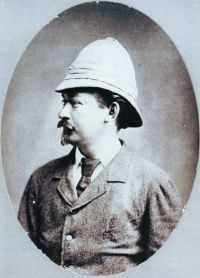
Portrait of Eliza Ruhamah Scidmore Eliza Ruhamah Scidmore,  Jinrikisha Days in Japan (1891)

“ The swordsmen are often acrobats and jugglers in disguise, who enliven the extended slaughters with thrilling tours de force. Seppuku the honorable death, or hara-kiri as it is most commonly known, is always received with breathless interest and wild applause, and the self-disembowelling of the hero, with a long last oration, still seems to the Japanese something fine and heroic and the most complete revenge upon an insulting foe. ”

Source: Wikisource

Asataro Miyamori,  Tales of the Samurai (1920)

“ There is nothing else to be done. Save yourselves and allow me to commit seppuku.”
Sadamasa ceased speaking, but before the sound of his grave tones had died away, a ringing voice from the rear took up his words.
“Commit seppuku, my lord! It is too soon to talk of such a desperate measure! With your permission I will steal my way through the enemy’s lines and summon reinforcements before it is too late.”
“Is it Katsutaka who speaks? My brave fellow, I appreciate your desire, but the idea is quite impracticable.
”
Source: Gutenberg

Yamanaka & Company,  Japanese Swords

“ Far back in the Sung Dynasty a Chinese Poet sang its praises, later the Mediæval European writers spoke in wonderment of the Katana, of its keenness of edge, of its swift stroke, of the respect paid to it; later still, folks were awed by the form of suicide we call seppuku, some saw in it only a barbarous disembowelment, few, perhaps, grasped that other important feature—the test of the truest friendship—that confidence in the bosom friend one entrusted with the cutting of one's head. ”
Source: Gutenberg

Get perspective with Kwize: daily news enlightened by great literature