Summary

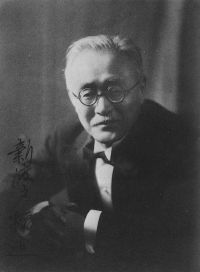
Portrait of Inazo Nitobe Inazo Nitobe Bushido, the Soul of Japan

We needed no Shakespeare to feel—though, perhaps, like the rest of the world, we needed him to express it—that mercy became a monarch better than his crown, that it was above his sceptered sway. How often both Confucius and Mencius repeat the highest requirement of a ruler of men to consist in benevolence. Confucius would say, “Let but a prince cultivate virtue, people will flock to him; with people will come to him lands; lands will bring forth for him wealth; wealth will give him the benefit of right uses. Virtue is the root, and wealth an outcome.”
Source: Gutenberg

Portrait of Inazo Nitobe Inazo Nitobe Bushido, the Soul of Japan

Alas for knightly virtues! alas for samurai pride! Morality ushered into the world with the sound of bugles and drums, is destined to fade away as “the captains and the kings depart.”
If history can teach us anything, the state built on martial virtues—be it a city like Sparta or an Empire like Rome—can never make on earth a “continuing city.” Universal and natural as is the fighting instinct in man, fruitful as it has proved to be of noble sentiments and manly virtues, it does not comprehend the whole man.
Source: Gutenberg

Portrait of Inazo Nitobe Inazo Nitobe Bushido, the Soul of Japan

Fortunately Mercy was not so rare as it was beautiful, for it is universally true that “The bravest are the tenderest, the loving are the daring.” “Bushi no nasaké”—the tenderness of a warrior—had a sound which appealed at once to whatever was noble in us; not that the mercy of a samurai was generically different from the mercy of any other being, but because it implied mercy where mercy was not a blind impulse, but where it recognized due regard to justice, and where mercy did not remain merely a certain state of mind, but where it was backed with power to save or kill.
Source: Gutenberg

Get perspective with Kwize: daily news enlightened by great literature