Sewing thread

Definition and stakes

Grace Rogers Cooper,  The Invention of the Sewing Machine

“ The need for a good thread durable enough to withstand the action of machine stitching first created a problem and ultimately another new industry in this country. When the sewing machine was first developed the inventors necessarily had to use the sewing thread that was available. But, although the contemporary thread was quite suitable for hand sewing, it did not lend itself to the requirements of the machine. Cotton thread, then more commonly a three-ply variety, had a glazed finish and was wiry. Silk thread frequently broke owing to abrasion at the needle eye. ”
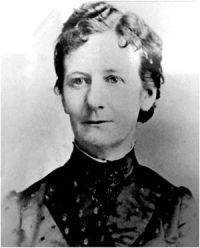
Source: Gutenberg

Frederick Wilkinson,  The Story of the Cotton Plant

“ Sewing Thread.—A very large quantity of spun yarn is subsequently made into sewing thread. It is a fact well known to practical men that we have no means in cotton spinning by which a thread can be spun directly of sufficient strength to be used as sewing thread. For instance, suppose we wanted a 12's sewing thread, i.e., a thread containing 12 hanks in one pound of yarn; it would be practically impossible to spin a thread sufficiently good to meet the requirements of the case. ”
Source: Gutenberg

How to Make Draperies

“ Sewing thread should blend as nearly as possible with the fabric in color, fiber and size. Silk and wool fabrics are stitched with silk thread. Cottons, linens and some blended fabrics are stitched with cotton thread or mercerized thread. The synthetic fabrics and blends of the pure and man-made fibers may be stitched with silk, mercerized 9 cotton, nylon or Dacron (DuPont) thread. The needle is selected with consideration to both the thread and the fabric. ”
Source: Gutenberg

Get perspective with Kwize: daily news enlightened by great literature