Sheaf (agriculture)

Definition and stakes

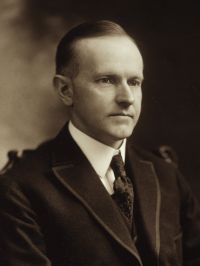
Portrait of James George Frazer James George Frazer,  The Golden Bough (1922)

“ The person who cuts, binds, or threshes the last sheaf is called either the Old Woman or the Wolf, etc., according to the name bestowed on the sheaf itself. As in some places a sheaf made in human form and called the Maiden, the Mother of the Maize, etc., is kept from one harvest to the next in order to secure a continuance of the corn-spirit's blessing, so in some places the Harvest-cock and in others the flesh of the goat is kept for a similar purpose from one harvest to the next. ”
Source: Wikisource

Portrait of James George Frazer James George Frazer,  The Golden Bough (1922)

“ Here the person wrapt up in the corn represents the corn-spirit, exactly as a person wrapt in branches or leaves represents the tree-spirit.
The last sheaf, designated as the Old Woman, is often distinguished from the other sheaves by its size and weight. Thus in some villages of West Prussia the Old Woman is made twice as long and thick as a common sheaf, and a stone is fastened in the middle of it.
”
Source: Wikisource

Portrait of James George Frazer James George Frazer,  The Golden Bough: A Study in Magic and Religion…

“ Sometimes it is made so heavy that a man can barely lift it.461 At Alt-Pillau, in Samland, eight or nine sheaves are often tied together to make the Old Woman, and the man who sets it up grumbles at its weight.462 At Itzgrund, in Saxe-Coburg, the last sheaf, called the Old Woman, is made large with the express intention of thereby securing a good crop next year.463 Thus the custom of making the last sheaf unusually large or heavy is a charm, working by sympathetic magic, to ensure a large and heavy crop at the following harvest. ”
Source: Gutenberg

Get perspective with Kwize: daily news enlightened by great literature