“ Wire shrouds set up too taut put an enormous strain on the sides of a boat, and will in course of time pull them quite out of shape. The mast should not be so rigidly stayed down that it has no play; on the contrary, when sail is set, a mast should be allowed to bend and so take upon itself a considerable proportion of the strain before any is thrown upon the weather shrouds.The shroud lanyards are of rope, but are not long enough to give sufficient play by stretching ”
Shroud (sail)
Definition and stakes
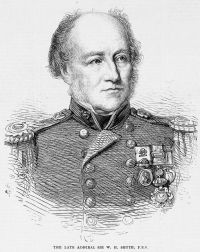
The theme of “shroud (sail)” has been addressed by authors such as Lincoln Colcord, W. H. Smyth, William Falconer, Joshua Slocum and William Clark Russell. It is often associated with terms like mast, ship, schooner, rope and wind.
Quotes about “shroud (sail)”
 William Falconer,
An Universal Dictionary of the Marine
“ SHROUDS, haubans, (scrud, Sax.) a range of large ropes extended from the mast-heads to the right and left side of the ship, to support the masts, and enable them to carry sail, &c.The shrouds are always divided into pairs or couples: that is to say, one piece of rope is doubled, fig. 7. plate IX. and the two parts fastened together at a small distance from the middle a, so as to leave a sort of noose or collars a b to fix upon the mast-head. This collar being fixed in its place, viz. close down upon the tressel-trees k fig. 2. ”

“ It advanced in fierce and haughty fashion, cleaving the foam around it, the lateen-yard quite square and the sail bulging down the whole length of the mast; its gigantic oars kept time as they beat the water; every now and then the extremity of the keel, which was shaped like a plough-share, would appear, and the ivory-headed horse, rearing both its feet beneath the spur which terminated the prow, would seem to be speeding over the plains of the sea. As it rounded the promontory the wind ceased, the sail fell, and a man was seen standing bareheaded beside the pilot. ”