Sketchbook

Definition and stakes

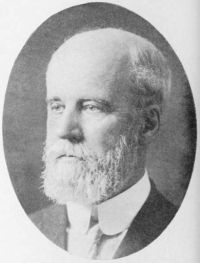
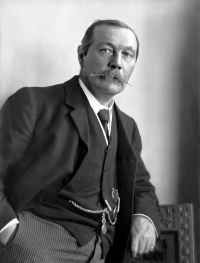
Portrait of Washington Irving Washington Irving,  The Sketchbook of Geoffrey Crayon… (1819)

“ The first volume of the Sketch-Book was put to press in London, as I had resolved, at my own risk, by a bookseller unknown to fame, and without any of the usual arts by which a work is trumpeted into notice. Still some attention had been called to it by the extracts which had previously appeared in the Literary Gazette, and by the kind word spoken by the editor of that periodical, and it was getting into fair circulation, when my worthy bookseller failed before the first month was over, and the sale was interrupted. ”
Source: Wikisource

Dorothy Furniss,  Drawing For Beginners (1920)

“ If you wish to draw a tall subject, such as a tree, a narrow building, an upright flower or figure, hold your sketch-book in an upright position. If you intend drawing a long-shaped subject, a reclining figure of a person or animal, a wide-spreading building, a stretch of low-lying ground, hold the book open at the full width of the page.
Fig. 63. The Well-head Beginners are prone to dash at a subject, and, finding they have drawn it on a smaller scale than they intended, add other details until the page is filled.
But why fill the whole page? An artist's sketch-book is a book of scraps.
”
Source: Wikisource

Dorothy Furniss,  Drawing For Beginners (1920)

“ TO the keen, enthusiastic young artist there is nothing more fascinating, more enthralling, than sketching out of doors.
A walk abroad among foreign scenes and strange people or a walk at home among one's own familiar haunts can be equally fruitful.
There are one or two points which need explaining, and one or two pitfalls of which the novice might be warned.
For the ardent young sketcher frequently digs a pit for his own feet. He begins a 'sketch,' but he pursues it into a finished study.
A sketch, it must be remembered, should be a sketch and nothing more.
”
Source: Wikisource

Get perspective with Kwize: daily news enlightened by great literature