Neatness

Definition and stakes

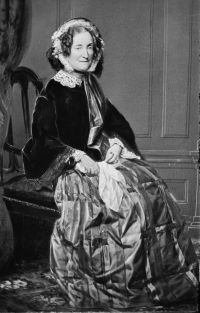
Anne Cobbett,  The English Housekeeper (1851)

“ I by no means recommend, as patterns, the fussy people, who are always busy and have never done, who let you know every thing that they have to do, and who, sometimes, do very little after all. Neither is it advisable to imitate, too closely, that class of housewives who are distinguished by the phrase—"very particular:" for even the virtue of neatness, when incessantly exercised, or manifested too much in matters of little moment, becomes an intruder upon comfort, and, consequently, offensive. ”
Source: Wikisource

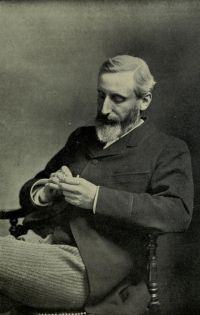
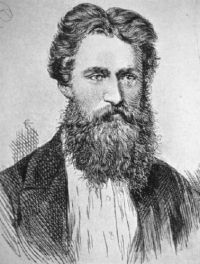
Portrait of George Smith George Smith,  Convocation Addresses of the Universities of Bombay and Madras (1892)

“ I gladly point out to you also the genuine pleasures which arise from the love and imitation of the beautiful in Nature and in Art. If we look abroad on this wondrous creation we cannot fail to recognize the beautiful in profusion around us. It is seen in the motions, forms and colours of the animal kingdom; in the variety, grace and delicacy of the vegetable world; in the massing, grouping and grandeur of the objects of inanimate creation. Beauty exists as an expression of the great Creator's mind and love, and would exist, even were there no human eye to welcome it. ”
Source: Wikisource

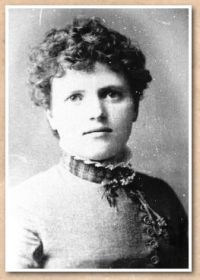
Portrait of Lydia Huntley Sigourney Lydia Huntley Sigourney,  Scenes in my Native Land (1845)

“ Taste, when drawn into strong sympathy with the beautiful things of nature, cheers the hours of sickness, or decline, and glows even amid the icy atmosphere of death. Combined with a vivid imagination it colors like a passion-tint, the whole of existence, and if surrounding scenes are devoid of its favorite objects, peoples for itself a world of ideal beauty. ”
Source: Wikisource

Get perspective with Kwize: daily news enlightened by great literature