Skin (animal)

Definition and stakes

Charles Grant Blairfindie Allen,  Popular Science Monthly (1879)

“ In the first place, this feather, as an anatomist would tell us, is "a dermal modification"—in other words, an altered bit of the skin. Every part of a plant or animal undergoes changes, our modern teachers say, just in accordance with the external influences which affect it. But the skin of an animal is naturally exposed to many more such surrounding agencies than its internal organs. ”

Source: Wikisource

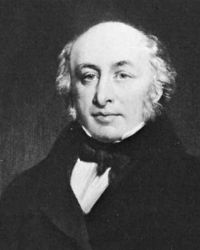
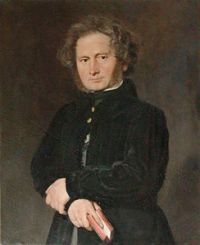
Portrait of William Henry Flower William Henry Flower,  Encyclopædia Britannica, Ninth Edition (1888)

“ The surface of the skin generally is covered with short, adpressed hair of a light, yellowish-brown colour, which, on the under parts of the body and base of the flippers, passes into dark reddish-brown or chestnut. In old animals the hair becomes more scanty, sometimes almost entirely disappearing, and the skin shows ample evidence of the rough life and pugnacious habits of the animal in the innumerable scars with which it is usually covered. It is everywhere more or less wrinkled, especially over the shoulders, where it is thrown into deep and heavy folds. ”
Source: Wikisource

The New International Encyclopædia (1905)

“ The skin of an animal, dressed for use by some process which shall render its texture permanent in character. Untreated fresh skin is easily putrescible; dry skin is hard and horny and almost impenetrable to air. By converging a skin into leather, however, its nature is entirely changed and it is rendered practically imperishable, porous, and flexible. The skin of an animal consists of two layers: the outer or epidermis, which has no blood-vessels and is hard and horny, and the inner true skin or corium, which is made up of gelatinous fibres. ”
Source: Wikisource

Get perspective with Kwize: daily news enlightened by great literature