Spermatozoid

Definition and stakes

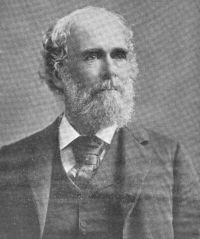
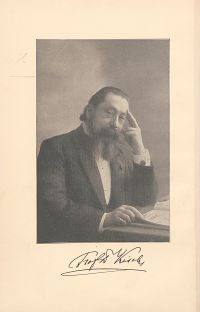
Portrait of Herbert John Webber Herbert John Webber Spermatogenesis and fecundization of zamia

In Zamia and Cyea* the entire spermatozoid invariably enters the egg cell and the cytoplasm and ciliferous band (blepharoplast) fuse with the cytoplasm of the egg, while the nucleus journeys on to the egg nucleus, with which it fuses. A number of investigators, the writer has noticed, seem to conclude that because the nucleus of the spermatozoid travels on alone and fuses with the egg nucleus the nucleus alone is concerned in fecundation. It may be that the nucleus is the sole bearer of hereditary tendencies and that this is the important part of fecundation.
Source: Wikisource

Portrait of Herbert John Webber Herbert John Webber Spermatogenesis and fecundization of zamia

Structure and form of the mature spermatozoid The mature sperniatozoids, before they start to swim, differ but littie in appearance from the spermatids in the last stage described (fig. 42) . In all cases the two spermatozoids which result from the division of the same central cell remain attached together until active motion starts. When mature, and before separating, each spermatozoid is irregularly hemispherical, in shape (fig. 45) . The nucleus occupies a large portion of the cell, but is plainty surrounded on all sides by a layer of cytoplasm.
Source: Wikisource

Portrait of Herbert John Webber Herbert John Webber Spermatogenesis and fecundization of zamia

It would seem, however, that the rapid boring of the apical or spiral end into the egg cell may cause too great a pressure on the large body of the spermatozoid, resulting in its bursting and freeing the nucleus, while the cilia motion continues probably some time longer, carrying the band farther along and freeing the nucleus from any hindrance by it.
Source: Wikisource

Get perspective with Kwize: daily news enlightened by great literature