A standing army refers to a permanent, professional military force, distinct from militias or temporary conscriptions, characterized by its full-time personnel and advanced training. Historically, from Assyrian and Persian empires to Roman legions and contemporary nations, standing armies have influenced power structures, defense strategies, and governance.
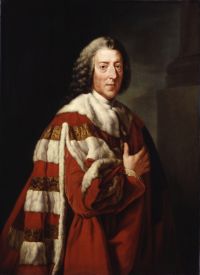
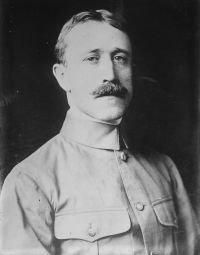
Figures such as William Pitt voiced concerns about their potential danger to freedom, while Charles Cooper King documented their role in shaping national identity. Quotes highlight the tension between security and independence, demonstrating how this concept has functioned both as an instrument of statecraft and a topic of political discussion. The evidence underscores its continued significance in maintaining military preparedness while fostering public confidence.