Military force

Definition and stakes

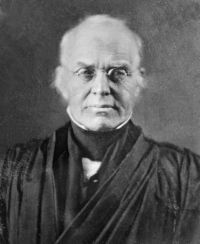
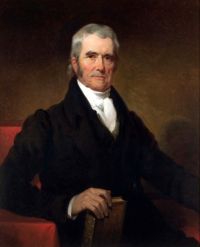
Portrait of John Marshall John Marshall,  The Life of George Washington: A Linked Index to the Project Gutenberg Editions

“ To this army, alike formidable for its numbers, its discipline, and its equipments,—aided in its operations by a numerous fleet, and conducted by commanders of skill and experience, was opposed a force, unstable in its nature,—incapable, from its structure, of receiving discipline,—and inferior to its enemy, in numbers, in arms, and in every military equipment. ”
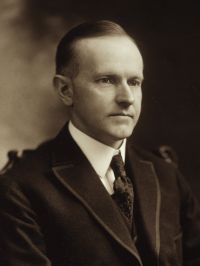
Source: Gutenberg

Hubert Foster,  Organization: How Armies are Formed for War

“ The Military Forces of the Great Powers have now grown so large that a further development of organization has become necessary. They are therefore divided in war into separate Armies. Army, in this new sense, does not mean, as it used to, the whole Force, for which, indeed, some other49 word than “Army” is urgently needed. An Army is simply the highest Unit in the organization of a great host in the field. ”
Source: Gutenberg

Thomas Wilhelm,  A Military Dictionary and Gazetteer

“ All the efficient parts of an army that may be brought into action are called effective, and generally consist of artillery, cavalry, and infantry, with their necessary appendages, such as hospital staff, wagon-train, etc. Effective forces of a country; all the disposable strength, vigor, and activity of any armed proportion of native or territorial population. The navy of a country must be looked upon as part of the effective force of the country, to which is added the marines.
Forcing. The operation of making a bullet take the grooves of a rifle.
”
Source: Gutenberg

Get perspective with Kwize: daily news enlightened by great literature