Staple crop

Definition and stakes

Robert H. Jackson,  Wickard v. Filburn — Opinion of the Court

“ Except in regions of large-scale production, wheat is usually grown in rotation with other crops; for a nurse crop for grass seeding; and as a cover crop to prevent soil erosion and leaching. Some is sold, some kept for seed, and a percentage of the total production much larger than in areas of specialization is consumed on the farm and grown for such purpose. Such farmers, while growing some wheat, may even find the balance of their interest on the consumer's side. ”

Source: Wikisource

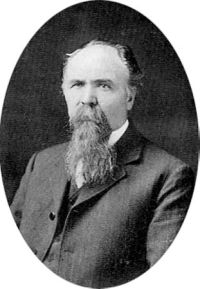
Portrait of George E. Waring George E. Waring,  The Elements of Agriculture

“ When the seed is ripe the tops can be clipped, and the straw left until fall to mature. You now have your seed and hay in two crops of equal value; in case of clover, you mow the first crop for hay, the second for seed; you in both cases get better seed and hay with less labor and expense than grain crops, at the same time leaving the soil clothed with a coat of straw, for the coming season, which will increase the value of the soil for crops, make fine pastures and fine stock, while it fits the land for fine grain. ”
Source: Gutenberg

Alva Agee,  Crops and Methods for Soil Improvement

“ Early maturing varieties can be brought in between main crops of the rotation in warm latitudes. The growth prevents the leaching of plant-food, shades the ground, adds nitrogen to the soil, smothers weeds, and produces material that is valuable as feed for livestock or an addition of organic matter to the soil. When the time that can be devoted to the crop is short, an early variety should be selected because its vines are far more valuable to the soil than an equal volume of a rank-growing variety that is not near maturity. ”
Source: Gutenberg

Get perspective with Kwize: daily news enlightened by great literature