Sublimation (psychology)

Definition and stakes

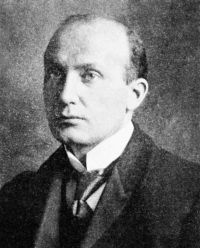
Portrait of Sigmund Freud Sigmund Freud,  The American Journal of Psychology (1910)

“ The neurotic has lost, by his repressions, many sources of mental energy whose contingents would have been very valuable for his character building and his life activities. We know a far more purposive process of development, the socalled sublimation (Sublimirung) , by which the energy of infantile wish-excitations is not secluded, but remains capable of application, while for the particular excitations, instead of becoming useless, a higher, eventually no longer sexual, goal is set up. ”

Source: Wikisource

Carl Gustav Jung,  Psychology of the Unconscious… (1916)

“ They have converted certain psychological tendencies which could have produced useless symptoms or destructive actions into valuable productions. Indeed it is not uncommon for strong, capable persons to state themselves that they knew they could have been equally capable of a wasteful or destructive life. This utilization of the energy or libido freed by removing the repressions and the lifting of infantile tendencies and desires into higher purposes and directions suitable for the individual at his present status is called sublimation. ”
Source: Wikisource

Josephine A. Jackson,  Outwitting Our Nerves: A Primer of Psychotherapy

“ To sublimate is to find vent for oneself and to serve society as well; for sublimation opens up new channels for pent-up energy, utilizing all the surplus of the sex-instinct in substitute activities. When the dynamic of this impulse is turned outward, not inward, it proves to be one of man's greatest possessions, a valuable contribution of energy to creative activities and personal relationships of every kind. ”
Source: Gutenberg

Get perspective with Kwize: daily news enlightened by great literature