Tracking

Definition and stakes

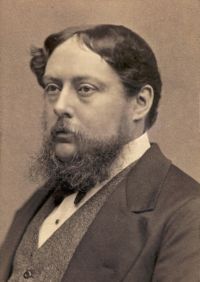
Portrait of H. G. Wells H. G. Wells,  The Grisly Folk and Their War With Men (1921)

“ Tracking was then the supreme accomplishment of mankind. By signs and traces that would be invisible to any modern civilized eye they would be reading the story of the previous day's trek of the herd of sturdy little horses ahead of them. They would be so expert that they would go on from one faint sign to another with as little delay as a dog that follows a scent. ”
Source: Wikisource

United States. Department of Defense,  United States Army Field Manual 7-93 Long-Range Surveillance Unit Operations… (1995)

“ A poorly disciplined unit will pass through an area leaving a path of litter. A tracker can use the last rain or strong wind as a measure to show the amount of time it has been there. (5) Camouflaging techniques. Camouflage applies to tracking when the followed party tries to slowdown the tracker; for example, leaving footprints walking backward, brushing out trails, and walking over rocky ground or through streams are ways of camouflaging the trail. (6) Interpreting combat information. The tracker makes a mental image of who he is tracking by using his learned concepts. ”
Source: Wikisource

United States. Department of Defense,  United States Army Field Manual 7-93 Long-Range Surveillance Unit Operations… (1995)

“ Tracker and cover man. Each team member is equally skilled. They can move fast, know each other's abilities and weaknesses, and can compensate for each other. (2) Tracking team leader, tracker, RATELO, and two security men. The advantages of a tracking team with this many members are increased observation and security. The disadvantage is the size of the team. c. Tracker and Dog Teams. Tracker and dog teams are more effective than a tracker alone.
(1) Dog characteristics. The dog (s) follows a trail faster and can continue to track at night.
”
Source: Wikisource

Get perspective with Kwize: daily news enlightened by great literature