Tackle (mechanics)

Definition and stakes

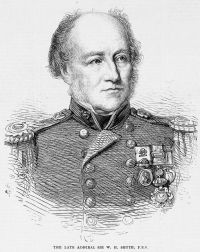
Portrait of William Falconer William Falconer,  An Universal Dictionary of the Marine

“ TACKLE, palan, pronounced taicle, a machine formed by the communication of a rope with an assemblage of blocks, and known in mechanics by the name of pulley.
Tackles are used in a ship to raise, remove, or secure weighty bodies; to support the masts; or to extend the sails and rigging. They are either moveable, as communicating with a runner
”

Source: Gutenberg

Various,  Harper's Round Table, September 8…

“ Rolling around opponent is sometimes used, but is a blind sort of method, and not of much use.
Tackling.—The object in breaking through is to tackle the runner behind his own line. Once let him reach the line, and he is bound to gain something. Tackle him behind the line, before his interference can get formed and well started, and he is bound to lose ground. There are two kinds of tackling—the lift tackle, and the dive tackle.
”
Source: Gutenberg

Various,  Harper's Round Table, September 8…

“ The tackler should, in that case, chase the runner to within about his length, then take a sudden spring into him, getting his arms well around the runner. He has simply to hold on, dragging like an anchor, and the struggle or impetus of the runner in the opposite direction brings him down. In making the side dive tackle the tackler should dive so as to get his head and shoulders in front of the runner, or across the line of his direction, and get his arms well around him, then rolling over so that his body or chest shall impede the runner's progress if he should shake him. See Fig. ”
Source: Gutenberg

Get perspective with Kwize: daily news enlightened by great literature