Tarantism

Definition and stakes

J. F. C. Hecker,  The Black Death, and The Dancing Mania

“ At the close of the fifteenth century we find that tarantism had spread beyond the boundaries of Apulia, and that the fear of being bitten by venomous spiders had increased. Nothing short of death itself was expected from the wound which these insects inflicted, and if those who were bitten escaped with their lives, they were said to be seen pining away in a desponding state of lassitude. Many became weak-sighted or hard of hearing, some lost the power of speech, and all were insensible to ordinary causes of excitement. ”
Source: Gutenberg

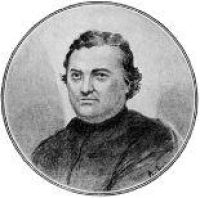
Portrait of John Caius John Caius,  The Epidemics of the Middle Ages

“ Other physicians and naturalists [114] have delivered their 133sentiments on Tarantism, but as they have not possessed an enlarged knowledge of its history, their views do not merit particular exposition. It is sufficient for the comprehension of every one, that we have presented the facts freed from all extraneous speculation.
CHAPTER III.
DANCING MANIA IN ABYSSINIA. Sect. 1.—Tigretier. Both the St. Vitus’s dance and Tarantism belonged to the ages in which they appeared.
”
Source: Gutenberg

Get perspective with Kwize: daily news enlightened by great literature