Tequila

Definition and stakes

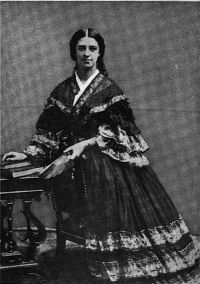
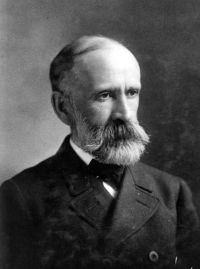
Portrait of Susan Hale Susan Hale,  The Story of Mexico (1889)

“ The plains of Apan are celebrated for the production of the finest pulque, in itself a thoroughly wholesome drink, suited to the climate of high regions, and beneficial when taken in moderation. From the root of the maguey, however, strong distilled liquors can be made, called mezcal and tequila, and of these it is best not to drink to much. ”
Source: Wikisource

Nevin O. Winter,  Mexico and Her People of To-day

“ The daily expenditure for pulque in the City of Mexico alone is said to exceed twenty thousand dollars. Physicians say that the brain is softened, digestion ruined and nerves paralyzed by a too generous use of this liquor. Many employers of labour will not employ labourers from the [45] pulque districts if they can possibly get them from other sources. Tequila and Mescal are two forms of ardent spirits distilled from a juice yielded by the leaves and root of the maguey. They are forms of brandy that it is best for the traveller to leave alone. ”
Source: Gutenberg

Various,  Popular Science Monthly (1907)

“ Mezcal is a term applied comprehensively to the liquor obtained by distillation from the fermented juices of agaves. Four or five million gallons of it a year are produced, and its value may amount to some $2,000,000 gold. The center for the manufacture of this beverage is to the west of Guadalajara, and the town of Tequila, situated there, has imposed its name on the higher grade of liquor, which is clear, smoky, rather smooth, and with a characteristic essential flavor; it usually contains forty or fifty per cent, of alcohol, and, like pulque, possesses certain medicinal properties. ”
Source: Wikisource

Get perspective with Kwize: daily news enlightened by great literature