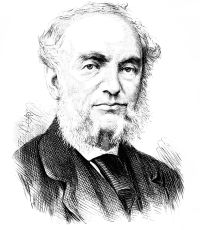
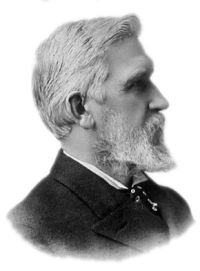
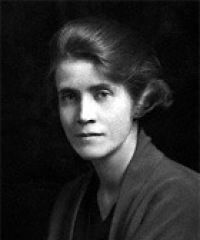
A thermal spring is a water source whose temperature surpasses that of its surrounding environment, a phenomenon noted for its widespread occurrence and varied scientific and literary importance. Authors such as A. C. Peale defined these springs geographically, emphasizing their temperature in relation to local climates, while Thomas Jefferson recorded their empirical properties, such as the "Hot Spring" in Virginia, noting its ability to boil eggs.
Henry David Thoreau, meanwhile, integrated thermal processes into naturalistic observations, connecting heat with seasonal changes. Scientifically, Robert I. Tilling explained their formation through geological forces, highlighting the interaction of underground heat and water movement. These perspectives collectively reveal thermal springs as intersections of natural processes, human curiosity, and interdisciplinary exploration.