Tree bark

Definition and stakes

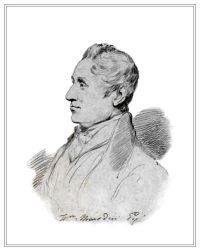
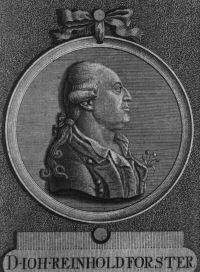
Portrait of Johann Reinhold Forster Johann Reinhold Forster,  Travels into North America, Volume 2… (1770)

“ The bark of this shrub was made use of for ropes, baskets, &c. by the Indians, whilst they lived among the Swedes. And it is really very fit for that purpose, on account of its remarkable strength and toughness, which is equal to that of the Lime-tree bark. The English and the Dutch in many parts of North America, and the French in Canada, employ this bark in all cases, [149] where we make use of Lime-tree bark in Europe. The tree itself is very tough, and you cannot easily separate its branches without the help of a knife: some people employ the twigs for rods. ”
Source: Gutenberg

Various,  Birds and All Nature, Vol. 5, No…

“ He sticks his little nest, made, of course, of bits of dead wood, bark, and twigs, between the tree and a strip of loose bark, very like a part of the tree itself, and the eggs are spotted and dotted with wood colors, brown in different shades, and lavender. Altogether his life is a tree-study; the tree is to him home, model, hunting-ground, hiding-place, and refuge. He never descends by creeping, but when he wants to search a lower part of the trunk, he flies to the base, and begins it all over again. ”
Source: Gutenberg

J. A. Warder,  American Pomology. Apples

“ The bark looks shriveled and withered, the twigs seem dry when cut, and resist the knife; when thawed by the fire, or on the return of spring weather, the bark seems loose, and the inner bark, instead of being greenish-white, becomes brown, and the whole tree looks as though it was dead. In old trees, large portions of the bark start from the stem and large limbs, and hang loosely for awhile and then fall off. The buds alone retain their vitality, and upon the return of spring they sometimes succeed in establishing the necessary connection with the soil, and restore the circulation of the sap ”
Source: Gutenberg

Get perspective with Kwize: daily news enlightened by great literature