Tryout

Definition and stakes

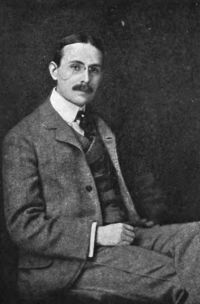
William James,  The Principles of Psychology, Volume 2…

“ Ask him how, in some complex trick, he performed a certain act, why he pushed or pulled at a certain instant, and he will tell you he does not know; he did it by instinct; or rather his nerves and muscles did it of themselves.... Here is the distinguishing feature of the good player: the good player, confident in his training and his practice, in the critical game trusts entirely to his impulse, and does not think out every move. The poor player, unable to trust his impulsive actions, is compelled to think carefully all the time. ”
Source: Gutenberg

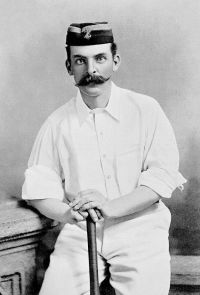
Portrait of Allan Gibson Steel Allan Gibson Steel,  Cricket (1888)

“ I think I have touched upon nearly everything that might help a young player to a long score, and with just a word about playing against odds I have done. Whether against eighteen or twenty-two in the field, play the same game that you would against an eleven. I have very often found that the fieldsmen in the outfield are placed too deep, and a second run can be stolen after the ball passes the men close in. Do not hit to leg, but rather place or snick the ball; you will get just as many runs without the risk of being caught. ”
Source: Wikisource

Mary Christiana Hofmann,  Games for Everybody

“ The player who is out is given five trials in which to guess; if he does not succeed, he must go out again, but if he has listened attentively to one or two, and has guessed correctly, the player whose shouting gave away the proverb is then sent out and the game continues as before. ”
Source: Gutenberg

Get perspective with Kwize: daily news enlightened by great literature