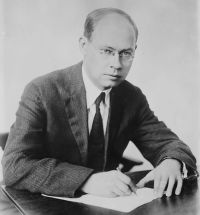
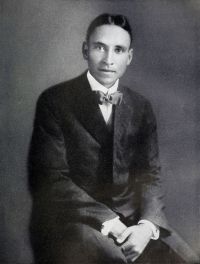
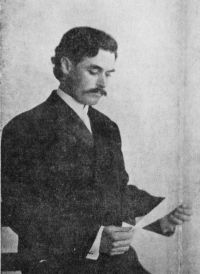
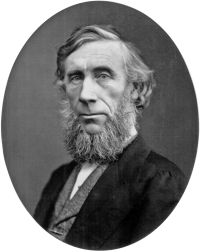
Ultraviolet light, an invisible segment of the electromagnetic spectrum beyond violet, has fascinated scientists and writers alike for its dual character—both a means of discovery and a sign of environmental change. Authors such as Morgan Robertson imagined its ability to pierce fog and unveil hidden realms, while Ken Keyes, Jr.
cautioned about its ecological risks should ozone depletion lead to uncontrolled exposure. Fernand Papillon examined its scientific breakdown, and Arthur B. Reeve delved into its photographic complexities. From technological advancement to existential threat, these viewpoints highlight ultraviolet light’s function as a link between empirical research and imaginative thought.
 Morgan Robertson,
The Grain Ship