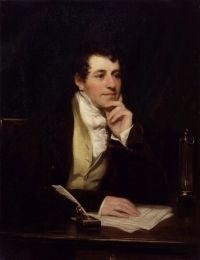
Platinum, a chemical element with symbol Pt and atomic number 78, is a dense, inert transition metal valued for its resistance to corrosion and scarcity. Historically, it was first recorded by Antonio de Ulloa in 1748, although its use can be traced back to pre-Columbian artifacts. Authors such as Alexandre Dumas underscored its worth as a precious metal comparable to gold, while Sir Humphry Davy stressed its transformative impact on science and industry.
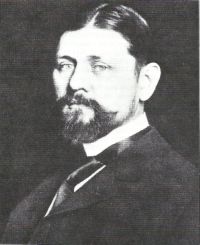
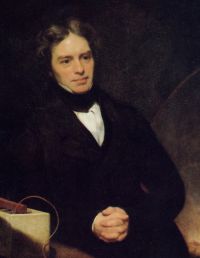
Michael Faraday outlined its usefulness in laboratory environments, and Harold W. Fairbanks distinguished its practical applications from gold’s decorative allure. From its geological scarcity to its role in catalytic converters and jewelry, platinum’s lasting importance connects scientific advancement and cultural meaning, reflecting both its physical characteristics and human creativity.
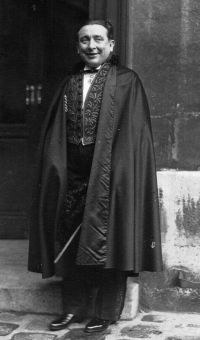 Pierre Benoît,
The secret spring
(1920)
Pierre Benoît,
The secret spring
(1920)