“ The doctrine of reflexes is not as popular, however, as it was, but there can be no doubt of the fact that the vagus nerve has terminal filaments in all the large organs, yet is so extremely important to the heart that it has a definite physiological meaning and doubtless is meant to act in such a way as to stimulate the heart when these important organs are overloaded or are laboring in their functions, and, on the other hand, to depress it or at least to inhibit it somewhat, whenever there is a tendency to send too much blood to these parts. ”
Vagus nerve
Definition and stakes
The vagus nerve, the tenth cranial nerve (CN X), is a vital part of the autonomic nervous system, controlling involuntary processes such as heart rate, respiration, and digestion via its broad sensory and motor pathways. Researchers such as Walter Holbrook Gaskell emphasized its dual fiber systems in influencing cardiac function, while Frederick William Headland investigated how drugs interact with it, affecting heart activity and cerebral blood flow.
Otto Loewi’s groundbreaking experiment illustrated the nerve’s involvement in acetylcholine release, connecting neural stimulation to cardiac reactions. These studies highlight the vagus nerve’s dual function in preserving homeostasis and its importance in both physiological control and pharmaceutical research.
Quotes about “vagus nerve”
Edmund Owen, 1911 Encyclopædia Britannica (1911)
“ That the stimulus of carbon dioxide is from the blood and not through nerves is proved by many experiments. The function of the vagus nerves in regulating the breathing is apparently to, as it were, guide the centre in the expenditure of each separate inspiratory or expiratory effort; for as soon as inspiration or expiration is completed the inspiratory or expiratory effort is cut short by impulse proceeding up the vagus nerve, and much waste of muscular work and risk of injury to the lungs is thereby prevented. ”
Frederick William Headland, The Action of Medicines in the System
“ Such is an outline of the action of Special Sedatives to the Vagus nerve. It is not clear whether they affect that nerve at its origin in the brain, or whether they act the extremities of its filaments.These Sedatives do not act directly upon the brain itself. But indirectly they may affect it, when given in large doses. For by depressing the action of the heart they cut off the natural supply of blood to the brain, and may, by so doing, produce delirium and convulsions. They tend obviously to kill by syncope. Some medicines may cause syncope by an action upon the brain. ”
Related terms
Authors who wrote about “vagus nerve”
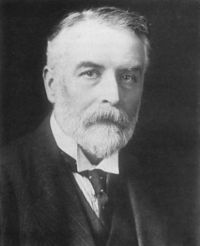
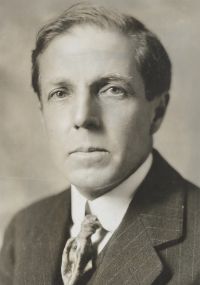
Francis Edmund AnstieWalter Holbrook Gaskell A. T. StillFrancis M. BalfourLawrence Edmonds GriffinFrederick William Headland
 Thomas Lauder Brunton
 Xavier BichatB. F. Kaupp
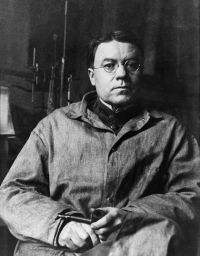 Walter Bradford CannonGeorge Albert Boulenger, Albert Charles Lewis Gotthilf Günther and John Graham Kerr
 Frances Power CobbeAlexander Miles
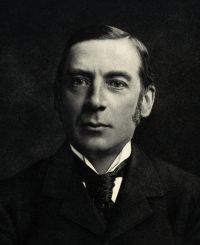 George Henry Makins
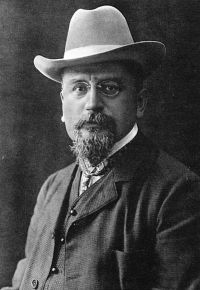 Max VerwornLouis Bathe RawlingLouis DechmannAlbert M. Reese
 George Washington Crile
 Anna C. Brackett
A. T. StillFrancis M. BalfourLawrence Edmonds GriffinFrederick William HeadlandThomas Lauder BruntonXavier BichatB. F. KauppWalter Bradford CannonGeorge Albert Boulenger, Albert Charles Lewis Gotthilf Günther and John Graham KerrFrances Power CobbeAlexander MilesGeorge Henry MakinsMax VerwornLouis Bathe RawlingLouis DechmannAlbert M. ReeseGeorge Washington CrileAnna C. Brackett