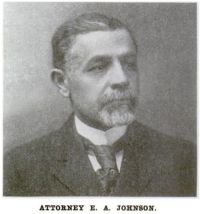
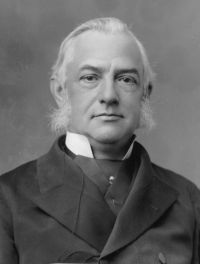
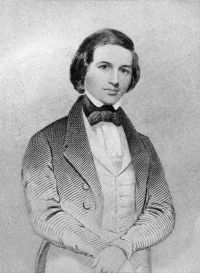
Wealthy individuals, frequently characterized by material assets or social status, have remained a persistent theme in literature, illustrating their impact on society and the moral dilemmas they present. Authors such as Charles Romyn Dake noted that affluence in industrial settings typically arises from business enterprises, while Frederick Douglass scrutinized its ethical dimensions, portraying it as a force that favors gain over fairness.
Brigham Young broadened the idea, challenging whether genuine affluence resides in material richness or in the well-being of a nation’s populace and territory. Theodore Parker, on the other hand, emphasized the cultural and ethical constraints of those who amass riches at the cost of the many. These viewpoints together demonstrate how literature has consistently addressed the conflict between financial power and societal duty, portraying wealth as both a driver of advancement and a cause of disparity.
 Charles Romyn Dake,
A Strange Discovery
Charles Romyn Dake,
A Strange Discovery