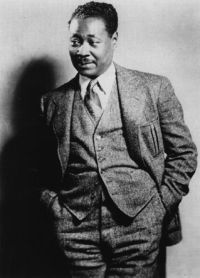
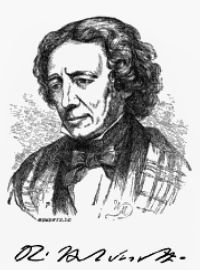
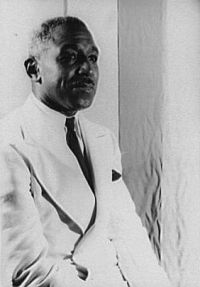
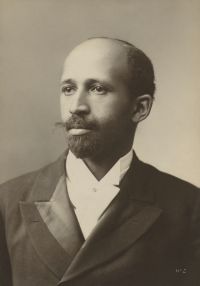
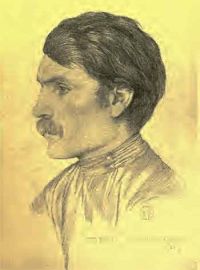
The concept of "White Woman" emerges in literary discourse as a complex symbol, frequently intertwined with race, gender, and social hierarchy. Authors such as W.E.B. Du Bois and Hubert H. Harrison examined it through analyses of racial beauty ideals and structural inequalities, while John Wesley Cromwell emphasized the dangerous dynamics of segregation and ethical duty.
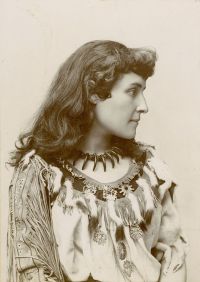
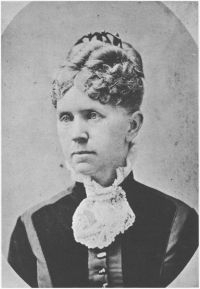
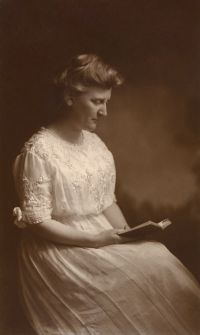
Margaret Fuller and Helen Kendrick Johnson discussed the marginalization of women in political power, juxtaposing the advantages of white women with the challenges faced by Black women and immigrants. These works together demonstrate how the image of the "white woman" became a framework for exploring privilege, subjugation, and the fragmented nature of identity in 19th- and early 20th-century America.
 W. E. B. Du Bois,
Darkwater: Voices from Within the Veil