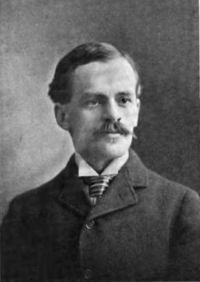
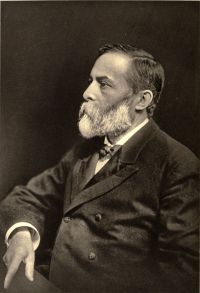
A stereotype is a fixed, oversimplified image or concept about a group or individual, often influencing perception and judgment. Walter Lippmann described stereotypes as mental shortcuts that guide how we interpret the world, infused with emotional biases and resistant to critical analysis, while Hector Denis connected them to social relations, framing identities through quantitative and relational frameworks.
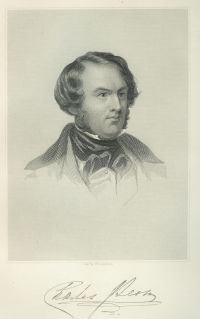
Hinton Rowan Helper observed how stereotypes make cultural traits so distinct they immediately reveal nationality, and John George Francis criticized the dependence on "stereotyped works" instead of empirical observation. These viewpoints highlight stereotypes as both cognitive tools and social constructs, shaping reality through preconception and tradition.
 Walter Lippmann,
Public Opinion
(1929)
Walter Lippmann,
Public Opinion
(1929)