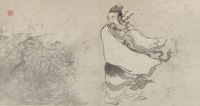
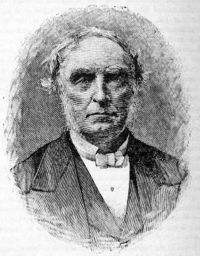
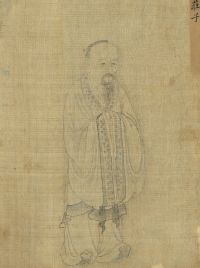
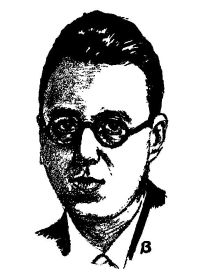
Wu wei

Definition and stakes

Sunzi,  The Book of War, the Military Classic of the Far East (1908)

“ Now Wu, albeit clothed in the raiment of a scholar, was a man skilled in the art of war.
And Wen, Lord of Wei, came unto him and said:—
“I am a man of peace, caring not for military affairs.”
And Wu said:—
“Your actions are witnesses of your mind; why do your words say not what is in your heart?
“You do prepare and dress hides and leather through the four seasons, ornamenting them with red lacquer and the figures of panthers and elephants; which give not warmth in winter, neither in summer, coolness.
”
Source: Wikisource

active 6th century B.C. Sunzi,  Sun Tzŭ on the Art of War: The Oldest Military Treatise in the World (1910)

“ Tu Mu, after Ts‘ao Kung the most important commentator on Sun Tzŭ, composed the preface to his edition [38] about the middle of the ninth century. After a somewhat lengthy defence of the military art, [39] he comes at last to Sun Tzŭ himself, and makes one or two very startling assertions:—“The writings of Sun Wu,” he says, “originally comprised several hundred thousand words, but Ts‘ao Ts‘ao, the Emperor Wu Wei, pruned away all redundancies and wrote out the essence of the whole, so as to form a single book in 13 chapters.” ”
Source: Gutenberg

Portrait of Confucius Confucius,  Analects

“ He has his faults, and all men see them; he changes again, and all men look up to him.' CHAP. XXII. 1. Kung-sun Ch'ao of Wei asked Tsze-kung, saying, 'From whom did Chung-ni get his learning?' 2. Tsze-kung replied, 'The doctrines of Wan and Wu have not yet fallen to the ground. They are to be found among men. Men of talents and virtue remember the greater principles of them, and others, not possessing such talents and virtue, remember the smaller. Thus, all possess the doctrines of Wan and Wu. Where could our Master go that he should not have an opportunity of learning them? ”
Source: Gutenberg

Get perspective with Kwize: daily news enlightened by great literature