Yoke (animal husbandry)

Definition and stakes

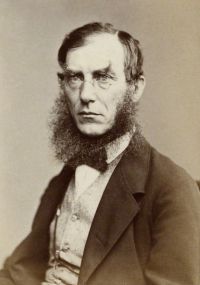
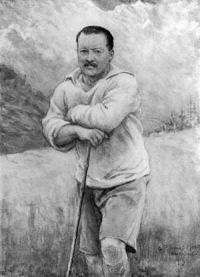
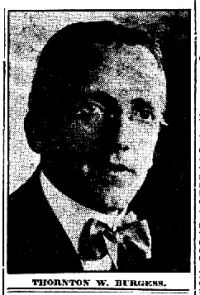
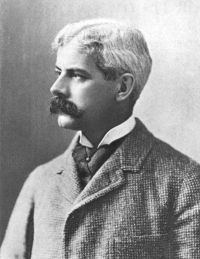
Portrait of Ingersoll Lockwood Ingersoll Lockwood,  Baron Trump's Marvellous Underground Journey (1893)

“ Now, dear readers, you may or may not know that when a cleft-hoofed animal starts to ascend a steep bank, unlike a solid-hooked beast, he throws his head into the air instead of lowering it, and therefore it struck me at once that the purpose of this yoke was to keep the cattle from making their way up the sides of the mountain and getting lost. ”
Source: Wikisource

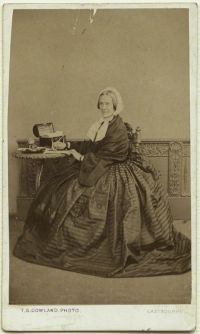
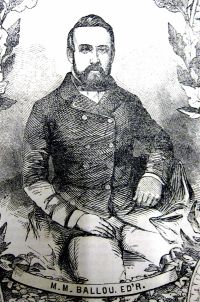
Portrait of Maturin M. Ballou Maturin M. Ballou,  Due South; or, Cuba Past and Present

“ This mode of harnessing certainly seems to enable the oxen to bring more strength to bear upon the purpose for which they are employed than when the yoke is placed, as is the case with us, about the throat and shoulders. The greatest power of horned animals undoubtedly lies in the head and neck, and the question arises whether in placing the yoke on the neck and breast we do not get it out of reach of the exercise of that strength, and cause the animal to draw the load behind him by the mere force of his bodily weight and impetus. ”
Source: Gutenberg

Portrait of Ingersoll Lockwood Ingersoll Lockwood,  Baron Trump's Marvellous Underground Journey (1893)

“ It suddenly occurred to me that I had noticed some cattle grazing at the foot of the, mountain, and, what's more, that these cattle wore very peculiar yokes.
"What are those yokes for?" I asked myself, for they were of a make quite different from any that I remembered ever having seen, and consisted of a stout wooden collar from the bottom of which there projected backward between the beast's forelegs a straight piece of wood armed with an iron spike pointing toward the ground. At the top the yoke was bound by a leather thong to the animal's horns.
”
Source: Wikisource

Get perspective with Kwize: daily news enlightened by great literature