Écarté

Definition and stakes

1911 Encyclopædia Britannica, Volume 15… (1911)

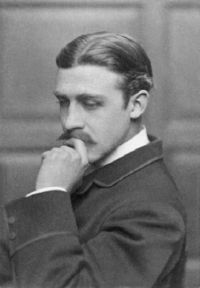
The father was a keen devotee of whist, and under his eye the son became early in life a good player. He was a member of several whist clubs, among them the “Cavendish,” and in 1862 appeared his Principles of Whist, stated and explained by “Cavendish,” which was destined to become the leading authority as to the practice of the game. This work was followed by treatises on the laws of piquet and écarté. “Cavendish” also wrote on billiards, lawn tennis and croquet, and contributed articles on whist and other games to the ninth edition of the Encyclopaedia Britannica.
Source: Wikisource

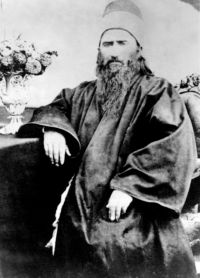
Portrait of ʻAbdu'l-Bahá ʻAbdu'l-Bahá A Traveler's Narrative Written to Illustrate the Episode of the Báb

I ask justice and fairness from your Highness concerning that which hath befallen this poor Victim.’ Well is it for that soul whom the doubts of the perverse withhold not from the display of justice, and deprive not of the lights of the luminary of equity. O saints of God! at the end of Our discourse We enjoin on you once again chastity, faithfulness, godliness, sincerity, and purity. Lay aside the evil and adopt the good.
Source: Gutenberg

Portrait of Bahá'u'lláh Bahá'u'lláh Gleanings from the Writings of Bahá'u'lláh

Tell, O ‘Alí, the loved ones of God that equity is the most fundamental among human virtues. The evaluation of all things must needs depend upon it. Ponder a while on the woes and afflictions which this Prisoner hath sustained. I have, all the days of My life, been at the mercy of Mine enemies, and have suffered each day, in the path of the love of God, a fresh tribulation.
Source: Gutenberg

Get perspective with Kwize: daily news enlightened by great literature