Summary

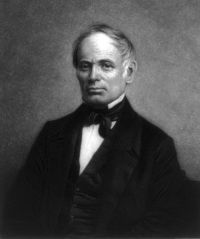
Portrait of Adin Ballou Adin Ballou Christian Non-Resistance — Chapter 2…

To make Christ prohibit only a personal, spiteful, malicious, cruel spirit in executing the authorized punishments of the law, is to make him the mere echo of Moses and his expounders; whereas he goes absolutely against the deed - the act of inflicting evil on the persons of offending. And by killing the body of the thing, he banishes the spirit of it. Seeming love, only renders the infliction of death or torture on offenders the more abhorrent to Christian sensibility. It is too much like a mother kissing, while at the same time she presses her child to death
Source: Wikisource

Portrait of Adin Ballou Adin Ballou Christian Non-Resistance — Chapter 2…

It is only in the spirit of human forgiveness that we can receive and enjoy the divine forgiveness. Such is the doctrine of Jesus. How blessed a doctrine is it to the broken-hearted, merciful and meek! How terrible a one to the iron-hearted, who delight in rigorous human punishment! Here the whole superstructure of piety and religion is baptized in the waters of non-resistance. We cannot even pray in a punishing spirit, without insulting a forgiving Father, and imprecating on our heads all the deserts of our own transgression.
Source: Wikisource

Portrait of Adin Ballou Adin Ballou Christian Non-Resistance — Chapter 2…

It is the destroying spirit - the angel of injury, the old serpent of violence. This is the grand controlling power underneath the throne, the dernier resort, the ultimate indispensable reliance of all mere worldly authority. And he is accounted a fool who supposes there can be any such thing as government among mankind without it. Consequently its solemn acknowledgment is now, as ever, the condition on which men must take the scepter, or assume the seals of office. He who would rule, must first worship this genius of violence must swear to support his authority with sword and penal vengeance.
Source: Wikisource

Get perspective with Kwize: daily news enlightened by great literature