Summary

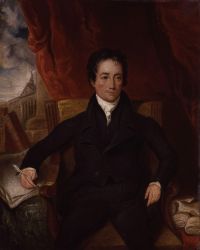
Portrait of Charles Lamb Charles Lamb On the Tragedies of Shakespeare (1811)

Hamlet would still be a youthful accomplished prince, and must be gracefully personated; he might be puzzled in his mind, wavering in his conduct, seemingly cruel to Ophelia, he might see a ghost, and start at it, and address it kindly when he found it to be his father; all this in the poorest and most homely language of the servilest creeper after nature that ever consulted the palate of an audience; without troubling Shakespeare for the matter; and I see not but there would be room for all the power which an actor has, to display itself. All the passions and changes of passion might remain
Source: Wikisource

Portrait of Charles Lamb Charles Lamb On the Tragedies of Shakespeare (1811)

But the play is beyond all art, as the tamperings with it show: it is too hard and stony; it must have love-scenes, and a happy ending. It is not enough that Cordelia is a daughter, she must shine as a lover too. Tate has put his hook in the nostrils of this Leviathan, for Garrick and his followers, the showmen of scene, to draw the mighty beast about more easily. A happy ending!—as if the living martyrdom that Lear had gone through,—the flaying of his feelings alive, did not make a fair dismissal from the stage of life the only decorous thing for him.
Source: Wikisource

Portrait of Charles Lamb Charles Lamb On the Tragedies of Shakespeare (1811)

There is so much in them, which comes not under the province of acting, with which eye, and tone, and gesture, have nothing to do.
The glory of the scenic art is to personate passion, and the turns of passion; and the more coarse and palpable the passion is, the more hold upon the eyes and ears of the spectators the performer obviously possesses. For this reason, scolding scenes, scenes where two persons talk themselves into a fit of fury, and then in a surprising manner talk themselves out of it again, have always been the most popular upon our stage.
Source: Wikisource

Get perspective with Kwize: daily news enlightened by great literature