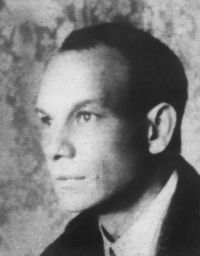
H. M. Tomlinson

H. M. Tomlinson

Summary

Portrait of H. M. Tomlinson H. M. Tomlinson Waiting for Daylight

It is like the sardonic grin I have seen on the face of an intelligent soldier as he strode over filth and corpses towards shell-fire. Soldiers, when they are home again, delight in watching the faces and the ways of children. They want to play with the youngsters, eat buns in the street, and join the haymakers. They do not want the truth. Without knowing anything of Freud, they can add to their new and dreadful knowledge of this world all they want of the subconscious by reading the warlike speeches of the aged, one of the most obscene and shocking features of the War.
Source: Gutenberg

Portrait of H. M. Tomlinson H. M. Tomlinson Waiting for Daylight

If Time playfully imprisons us in a century we would rather have missed, where only the stars are left undisturbed to wink above the doings and noises of Bedlam, and where to miss the last train—supposing it runs at all—is the right end to a perfect day of blizzards and social squalls, what does it matter when we find that the whole of it is shaken by a single idea?
Source: Gutenberg

Portrait of H. M. Tomlinson H. M. Tomlinson Waiting for Daylight

I had never thought Whitman so good till that soldier’s letter accidentally discovered it to me. If Whitman had been through the campaign across the narrow straits, if Ypres, Vimy, and Cambrai had been in his own experience, he could have added little to Drum Taps. For there is nothing that is new in war. It is only the campaign that is new, and the men who are young. Yet all has happened before. But each young soldier in a new campaign feels that his experience is strangely personal. He will have the truth revealed to him, and will think that it is an intimacy for his soul alone
Source: Gutenberg

Get perspective with Kwize: daily news enlightened by great literature