Summary

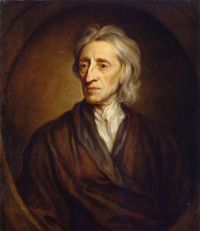
Portrait of John Locke John Locke Some Thoughts Concerning Education…

To know this perfectly, you must watch him at play, when he is out of his place and time of study, following his own inclination; and see there whether he be stirring and active; whether he designs any thing, and with labour and eagerness pursues it, till he has accomplished what he aimed at, or whether he lazily and listlessly dreams away his time. If this sloth be only when he is about his book, I think it may be easily cured. If it be in his temper, it will require a little more pains and attention to remedy it.
Source: Wikisource

Portrait of John Locke John Locke Some Thoughts Concerning Education…

As children's enquiries are not to be slighted; so also great care is to be taken, that they never receive deceitful and eluding answers. They easily perceive when they are slighted or deceived; and quickly learn the trick of neglect, dissimulation and falsehood, which they observe others to make use of. We are not to intrench upon truth in any conversation, but least of all with children; since if we play false with them, we not only deceive their expectation, and hinder their knowledge, but corrupt their innocence, and teach them the worst of vices.
Source: Wikisource

Portrait of John Locke John Locke Some Thoughts Concerning Education…

It should be always (when occasionally it comes to be mention'd) spoke of before him with the utmost detestation, as a quality so wholly inconsistent with the name and character of a gentleman, that no body of any credit can bear the imputation of a lie; a mark that is judg'd the utmost disgrace, which debases a man to the lowest degree of a shameful meanness, and ranks him with the most contemptible part of mankind and the abhorred rascality; and is not to be endured in any one who would converse with people of condition, or have any esteem or reputation in the world.
Source: Wikisource

Get perspective with Kwize: daily news enlightened by great literature