Enquiry, a process aimed at expanding knowledge, resolving uncertainty, or addressing problems, has been examined through various perspectives by philosophers and writers. From Aristotle’s logical frameworks—distinguishing deduction, induction, and abduction—to modern pragmatists like Peirce and Dewey, the theme highlights inquiry’s role in connecting uncertainty with understanding.
Authors such as Balzac probed the conditions for exceptional knowledge, while Hume associated enquiry with empirical observation. Goldsmith emphasized its development in scientific study, and Wright underscored its importance in the pursuit of truth. These differing approaches reveal inquiry as a dynamic, ongoing process, crucial to both intellectual and practical advancement.
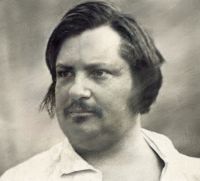 Honoré de Balzac,
The Village Rector
Honoré de Balzac,
The Village Rector