Summary

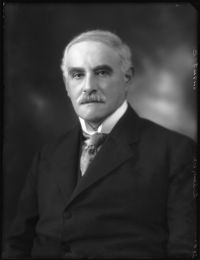
Portrait of Sir Sidney Lee Sir Sidney Lee Shakespeare and the Modern Stage…

Only in the case of Henry V. does he clothe an English king with any genuine heroism. Shakespeare's kings are as a rule but men as we are. The violet smells to them as it does to us; all their senses have but human conditions; and though their affections be higher mounted than ours, yet when they stoop they stoop with like wing. Excepting Henry V., the history plays are tragedies. They "tell sad stories of the death of kings." But they do not merely illustrate the crushing burdens of kingship or point the moral of the hollowness of kingly pageantry
Source: Gutenberg

Portrait of Sir Sidney Lee Sir Sidney Lee Shakespeare and the Modern Stage…

But Shakespeare's coarsenesses do no injury to the healthy-minded. They do not encourage evil propensities. Wickedness is always wickedness in Shakespeare, and never deludes the spectator by masquerading as something else. His plays never present problems as to whether vice is not after all in certain conditions the sister of virtue. Shakespeare never shows vice in the twilight, nor leaves the spectator or reader in doubt as to what its features precisely are. Vice injures him who practises it in the Shakespearean world, and ultimately proves his ruin. One cannot play with vice with impunity.
Source: Gutenberg

Portrait of Sir Sidney Lee Sir Sidney Lee Shakespeare and the Modern Stage…

The so-called patriotism which seeks expression in war for its own sake is alone intelligible to Shakespeare's pavement orators. "Let me have war, say I," exclaims the professedly patriotic spokesman of the ill-conditioned proletariat in Coriolanus; "it exceeds peace as far as day does night; it's spritely, waking, audible, and full of vent. Peace is a very apoplexy, lethargy; mulled, deaf, sleepy, insensible.... Ay, and it makes men hate one another."
Source: Gutenberg

Get perspective with Kwize: daily news enlightened by great literature