Summary

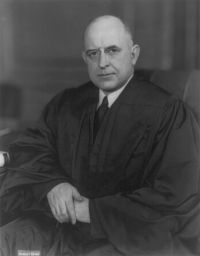
Portrait of Stanley Forman Reed Stanley Forman Reed Wisconsin Electric Power Company v…

While electricity sold for commercial consumption is taxed, that sold for industrial consumption is not. Thus our task resolves itself to a determination of the category in which the consumption of electricity by these dairy plants should be classified. We shall not undertake the difficult and here needless task of general definition which differentiates for this statutory clause between industrial and commercial in other lines of business activity.
Source: Wikisource

Portrait of Stanley Forman Reed Stanley Forman Reed Wisconsin Electric Power Company v…

The electricity used by some of the plants is measured through a single meter, that of others through two or more meters, but in no case are the meters so connected to the incoming power line as to enable the energy supplied for one purpose to be differentiated from that supplied for another. We do not have before us a situation where pasteurization utilizes electrical energy that is measured by a meter exclusively used for pasteurization.
Source: Wikisource

Portrait of Stanley Forman Reed Stanley Forman Reed Wisconsin Electric Power Company v…

Where it is delivered through a single meter at one location, energy utilized to operate sewing machines for a minor manufacturing unit, e.g., shirts, in a department store, would be deemed power sold for commercial consumption, although it might fall within the industrial category if sold to a consumer who did nothing but manufacture shirts.
Source: Wikisource

Get perspective with Kwize: daily news enlightened by great literature