Advaita Vedanta

Definition and stakes

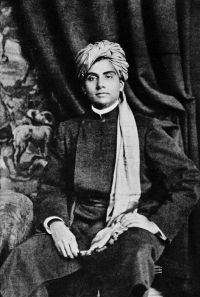
Portrait of Swami Vivekananda Swami Vivekananda,  Jnâna Yoga, Part II: Seven Lectures (1907)

“ How much greater the pleasure when this whole universe is in our one body? If there be pleasure in these separate bodies, how much more when all bodies are one? The man who has realized this has attained to freedom, has gone beyond the dream and known himself in his real nature. This is the teaching of Advaita, the non-dualistic Vedânta.
These are the three steps which Vedânta philosophy has taken, and we cannot go beyond, because we cannot go beyond unity. When any science reaches a unity it cannot possibly go any farther.
”
Source: Gutenberg

Portrait of Swami Vivekananda Swami Vivekananda,  The Complete Works of Swami Vivekananda…

“ The followers of the Vishishtâdvaitic system have as much reverence for the Upanishads as the followers of the Advaita, and the Vishishtadvaitists claim as much authority for the Vedanta as the Advaitist. So do the dualists; so does every other sect in India. But the word Vedantist has become somewhat identified in the popular mind with the word Advaitist, and perhaps with some reason, because, although we have the Vedas for our scriptures, we have Smritis and Purânas — subsequent writings — to illustrate the doctrines of the Vedas ”
Source: Wikisource

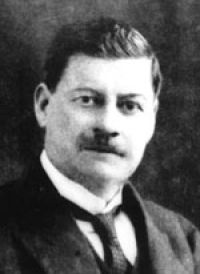
Portrait of Charles Eliot Charles Eliot,  Hinduism and Buddhism, An Historical Sketch…

“ The Vedânta is on the one hand a scheme of salvation for liberating souls which transmigrate unceasingly in a world ruled by a personal God. But when true knowledge is attained, the soul sees that it is identical with the Highest Brahman and that souls which are in bondage and God who rules the world are illusions like the world itself. But the Advaita has at least a verbal superiority over the Mâdhyamika philosophy, for in its terminology Brahman is the real and the existent contrasted with the world of illusion. ”
Source: Gutenberg

Get perspective with Kwize: daily news enlightened by great literature