Afro-American

Definition and stakes

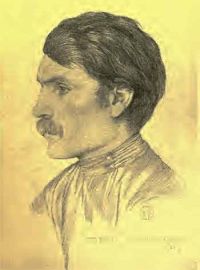
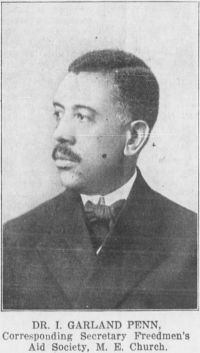
Portrait of Irvine Garland Penn Irvine Garland Penn,  The Afro-American Press and Its Editors (1891)

“ They publish dispatches from the South, which always put the Afro-American in a bad light. In short, they are those who are ever anxious to parade the faults and fallacies of the race. If they demand equal justice for the Afro-American, it is in the hope of reaping a political harvest in the future. They parade an harmonious and mellifluous speech, like that of the immortal Grady in Boston, in 1889, in the hope of injuring the kindly relation of the Northern friend to the Afro-American. ”
Source: Wikisource

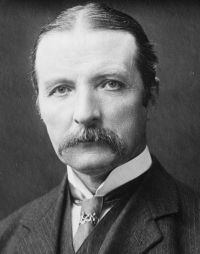
Portrait of Irvine Garland Penn Irvine Garland Penn,  The Afro-American Press and Its Editors (1891)

“ Daniel Webster Davis, Editor Young Men's Friend.
When the history of the country and the present achievements of the Afro-American are written, it will be seen that the young men identified with this race have not been inactive. It will be observed that they have performed the part assigned them in the race of life with courage and fidelity. Upon the shoulders of the young Afro-American, man or woman, devolves the solving of the question, commonly called the Negro (Afro-American) Problem.
”
Source: Wikisource

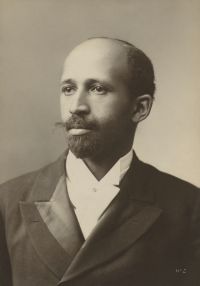
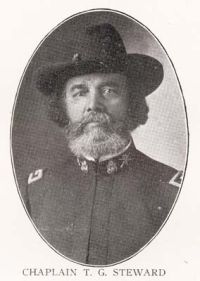
Portrait of T. G. Steward T. G. Steward,  The Colored Regulars in the United States Army

“ Once filled with the common national spirit, partaking of its thoughts, entering heartily into the common movements, having the same dress, language and manners as others, and being as able and as willing to help as to be helped, and withal being in fact the most intensely American element on the continent because constructed on this soil, we may hope that the Afro-American will ultimately win and hold his proper place. ”
Source: Gutenberg

Get perspective with Kwize: daily news enlightened by great literature