Akbar the Great

Definition and stakes

Richard Garbe,  Akbar, Emperor of India: A Picture of Life and Customs from the Sixteenth Century

“ This man, whose memory even to-day is revered by the Hindus, was a descendant of Baber, Abul Fath Jelâleddin Muhammed, known by the surname Akbar "the Great," which was conferred upon the child even when he was named, and completely supplanted the name that properly belonged to him. And truly he justified the epithet, for great, fabulously great, was Akbar as man, general, statesman and ruler,—all in all a prince who deserves to be known by every one whose heart is moved by the spectacle of true human greatness. ”
Source: Gutenberg

The Great Events by Famous Historians…

“ No one could save the empire but a born statesman. Akbar had already proved himself a born soldier. Had he been only a soldier he might still have held his own against Afghans and Usbegs from Peshawur to Allahabad. Had he been bloodthirsty and merciless, like Bairam Khan, he might have stamped out revolt and mutiny by massacre and terrorism. ”
Source: Gutenberg

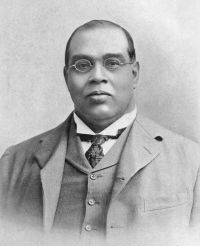
Portrait of Romesh Chunder Dutt Romesh Chunder Dutt,  The Slave Girl of Agra (1909)

“ All the illustrious Grandees of Agra, and even Governors of distant provinces, had, therefore, come to pay him their respects. Akbar sat amidst them on his stately throne, not so gorgeous as the famous peacock throne built by his grandson, but more befitting the dignity of an Empire-builder. Tall in stature, rather dark than fair, Akbar had keen black eyes and a fine open forehead. His long arms gave him a great advantage in many a fight in perilous fields, but his great muscular strength was now subdued by age. ”
Source: Wikisource

Get perspective with Kwize: daily news enlightened by great literature