Ancient Egyptians

Definition and stakes

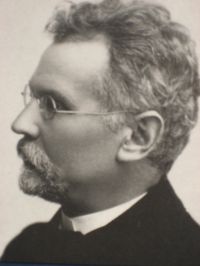
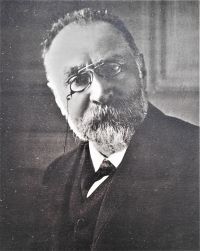
Portrait of Gaston Maspero Gaston Maspero,  The Great Events by Famous Historians… (1905)

“ Before Menes Egypt was divided into independent kingdoms. It has always been a country of mysteries, with the mighty Nile, and its inundations, so little understood by the ancients; its trackless desert; its camels and caravans; its tombs and temples; its obelisks and pyramids, its groups of gods: Ra, Osiris, Isis, Apis, Horus, Hathor—the very names breathe suggestions of mystery, cruelty, pomp, and power. In the sciences and in the industrial arts the ancient Egyptians were highly cultivated. ”
Source: Wikisource

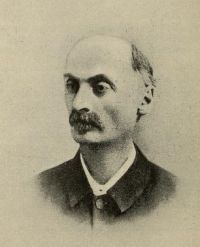
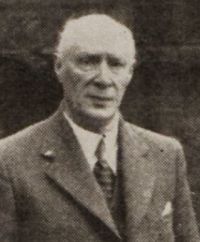
Portrait of Edward B. Tylor Edward B. Tylor,  Anthropology (1881)

“ The ancient Egyptians had that greatest mark of a civilized nation, the art of writing; indeed the hieroglyphic characters of their inscriptions appear to have been the origin of our alphabet. They were a nation skilled in agriculture, raising from their fields fertilized by the yearly inundation those rich crops of grain that provided subsistence for the dense population. How numerous and how skilled in constructive art the ancient Egyptians were, is seen by every traveller who looks on the pyramids which have made their name famous through all history. ”
Source: Gutenberg

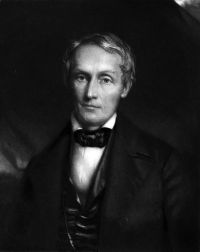
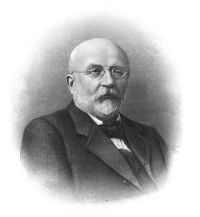
Portrait of Samuel George Morton Samuel George Morton,  Crania Ægyptiaca

“ Yet even now, the physical characteristics of the ancient Egyptians are regarded with singular diversity of opinion by the learned, who variously refer them to the Jews, Arabs, Hindoos, Nubians, and Negroes. Even the details of organic structure have been involved in the same uncertainty,—the configuration of the head, the position of the ear, the form of the teeth, the colour of the skin, and the texture of the hair; while the great question is itself undetermined—whether civilization ascended or descended the Nile;—whether it had its origin in Egypt or in Ethiopia. ”
Source: Gutenberg

Get perspective with Kwize: daily news enlightened by great literature