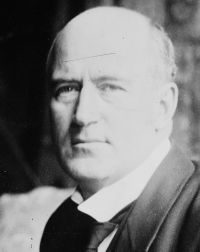
Giza, a necropolis near Cairo, is renowned for its pyramids, particularly the Great Pyramid of Khufu, and the enigmatic Sphinx. Authors have long examined its historical and symbolic significance: A. H. Sayce emphasizes its role in Egypt’s Old Kingdom, while Algernon Blackwood imbues it with mystical overtones, suggesting the enduring presence of ancient Egypt.
Harold L. Goodwin portrays it as a tourist and archaeological site, underscoring its status as one of the wonders of the ancient world. These viewpoints converge to highlight Giza as both a testament to architectural brilliance and a source of lasting cultural intrigue.
 A. H. Sayce,
Early Israel and the Surrounding Nations
A. H. Sayce,
Early Israel and the Surrounding Nations