Antaeus (mythology)

Definition and stakes

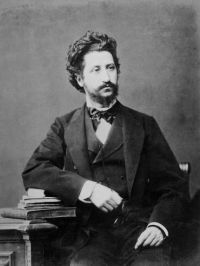
Portrait of Nathaniel Hawthorne Nathaniel Hawthorne,  Tanglewood Tales

“ It was well for the world that Antaeus happened to be of a sluggish disposition and liked ease better than exercise; for, if he had frisked about like the Pygmies, and touched the earth as often as they did, he would long ago have been strong enough to pull down the sky about people's ears. But these great lubberly fellows resemble mountains, not only in bulk, but in their disinclination to move.
Any other mortal man, except the very one whom Antaeus had now encountered, would have been half frightened to death by the Giant's ferocious aspect and terrible voice.
”
Source: Gutenberg

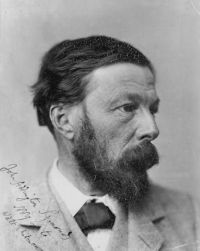
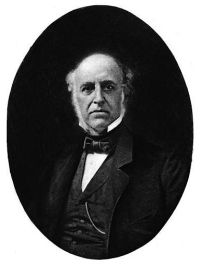
Portrait of Thomas Bulfinch Thomas Bulfinch,  The Age of Fable

“ Hence they placed in it the Isles of the Blest, the ruddy Isle Erythea, on which the bright oxen of Geryon were pastured, and the Isle of the Hesperides. The apples are supposed by some to be the oranges of Spain, of which the Greeks had heard some obscure accounts.
A celebrated exploit of Hercules was his victory over Antaeus. Antaeus, the son of Terra, the Earth, was a mighty giant and wrestler, whose strength was invincible so long as he remained in contact with his mother Earth.
”
Source: Gutenberg

Get perspective with Kwize: daily news enlightened by great literature