Araceae

Definition and stakes

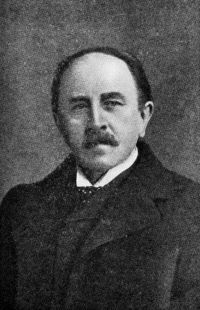
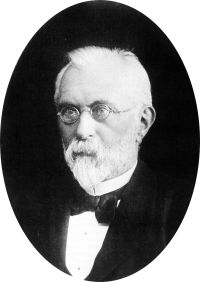
Portrait of Eugenius Warming Eugenius Warming,  A handbook of systematic botany (1895)

“ The Araceæ are quite glabrous, generally perennial herbs with tubers or rhizomes. Many have latex.—For the rest the structure of these plants varies; for example, while some have a perianth, in others it is wanting; in some the perianth-leaves are free, in others united; some have hermaphrodite flowers, but the majority unisexual (monœcious) ; some have free, others united stamens; the ovules are orthotropous, anatropous, or campylotropous, erect or pendulous; the ovary is 1–many-locular; some have seeds with endosperm, others without. In habit there are great differences. ”
Source: Gutenberg

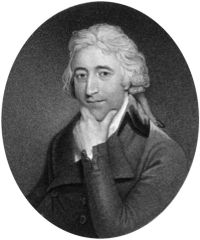
Portrait of Alfred Russel Wallace Alfred Russel Wallace,  The Malay Archipelago, Volume 1

“ Orchids, Araceae, Zingiberaceae and ferns, are especially abundant, and the genus Grammatophyllum—a gigantic epiphytal orchid, whose clusters of leaves and flower-stems are ten or twelve feet long—is peculiar to it. Here, too, is the domain of the wonderful pitcher plants (Nepenthaceae) , which are only represented elsewhere by solitary species in Ceylon, Madagascar, the Seychelles, Celebes, and the Moluccas. ”
Source: Gutenberg

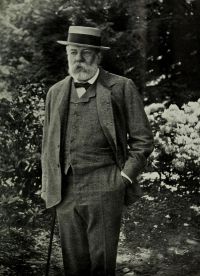
W. Robinson,  The Subtropical Garden; or, beauty of form in the flower garden

“ Aralia papyrifera (Chinese Rice-paper Plant) .—This, though a native of the hot island of Formosa, flourishes vigorously with us in the summer months, and is one of the most valuable plants in its way, being useful for the greenhouse in winter and the flower-garden in summer. It is handsome in leaf and free in growth, though to do well it must, like all the large-leaved things,{61}
Aralia papyrifera.
”
Source: Gutenberg

Get perspective with Kwize: daily news enlightened by great literature