Battle of Towton

Definition and stakes

Charles Oman, Albert Pollard, Samuel Gardiner, Spencer Walpole and Hugh Chisholm 1911 Encyclopædia Britannica (1911)

Battle of Towton. plundering of her northern moss-troopers in the home counties had roused the peasantry and townsfolk to an interest in the struggle which they had never before displayed. Up to this moment the civil war had been conducted like a great faction fight; the barons and their liveried retainers had been wont to seek some convenient heath or hill and there to fight out their quarrel with the minimum of damage to the countryside.
Source: Wikisource

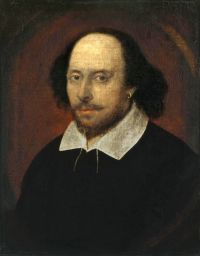
Portrait of William Shakespeare William Shakespeare Henry VI, Part 3 (1923)

The battle of Towton lasted ten hours, on Palm Sunday, 1461; thirty thousand men were slain, and it was in all respects the most terrible conflict of the Wars of the Roses. The present picture of the discouragement of the Yorkist leaders, exaggerated for dramatic purposes, is suggested by a local advantage which the Lancastrians under Clifford had gained two days before (March 26) at Ferrybridge.
II. iii. 15. Thy brother's blood the thirsty earth hath drunk. The 'Bastard of Salisbury,' half-brother of Warwick, was slain at Ferrybridge.
Source: Wikisource

Richard Brooke Visits to Fields of Battle, in England…

The Yorkists would have something else to do on such a dreadful morning, than to occupy themselves with sticking arrows in any considerable numbers in the ground. Besides which, if such a measure were adopted with any good effect, at the battle of Towton, it is clear that it would be equally useful at other battles fought in the middle ages; yet, as far as I can recollect, we are not informed by any historian, of such a measure being adopted, on any other occasion, either in the wars of York and Lancaster, or in any battle in which the English were engaged.
Source: Gutenberg

Get perspective with Kwize: daily news enlightened by great literature