Bill of Rights 1689

Definition and stakes

The New Student's Reference Work (1914)

The original bill of rights was, however, an English act of Parliament which summed up the results of the revolution which had placed William and Mary on the throne. This bill of 1689 made it illegal for the crown to suspend the laws, levy money without the consent of parliament, or keep a standing army in time of peace. It also declared the rights of citizens to impartial and not over-severe justice, frequent parliaments, carrying arms for self-defense, free elections and petition to the king.
Source: Wikisource

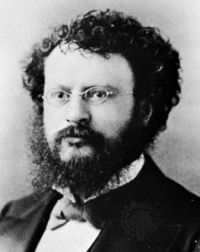
Portrait of Georg Jellinek Georg Jellinek The Declaration of the Rights of Man and of Citizens

It was therein declared, with an appeal to Locke, that men enter into the state by voluntary agreement, and they have the right beforehand in an equitable compact to establish conditions and limitations for the state and to see to it that these [Pg 84] are carried out. Thereupon the colonists demanded as men the right of liberty and of property, as Christians freedom of religion, and as citizens the rights of Magna Charta and of the Bill of Rights of 1689.
Source: Gutenberg

1911 Encyclopædia Britannica (1910)

On the 13th of February 1689 the Declaration of Right, a document drawn up by a committee of the commons, and embodying the fundamental principles of the constitution, was delivered by the lords and commons to the prince and princess of Orange, afterwards William III. and Mary. In December 1689 the rights claimed by the declaration were enacted with some alterations by the Bill of Rights, next to Magna Carta the greatest landmark in the constitutional history of England and the nearest approach to the written constitutions of other countries.
Source: Wikisource

Get perspective with Kwize: daily news enlightened by great literature