Book of Isaiah

Definition and stakes

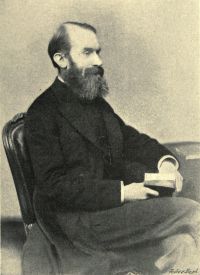
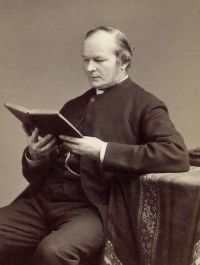
Portrait of George Adam Smith George Adam Smith,  The Expositor's Bible: The Book of Isaiah…

“ Isaiah treats these foreigners at least as men. Take his prophecies on Egypt or on Tyre or on Babylon—nations which were the hereditary enemies of his nation—and you find him speaking of their natural misfortunes, their social decays, their national follies and disasters, with the same pity and with the same purely moral considerations, with which he has treated his own land. When news of those far-away sorrows comes to Jerusalem, it moves this large-hearted prophet to mourning and tears. He breathes out to distant lands elegies as beautiful as he has poured upon Jerusalem. ”
Source: Gutenberg

David Baron,  The Ancient Scriptures and the Modern Jew… (1901)

“ PERIOD AND THE RETURN OF THE GLORY OF JEHOVAH
WITH the fortieth chapter begins the second half of the Book of Isaiah, the last twenty-seven chapters forming a separate and continuous prophecy by itself. This grand prophetic Messianic epic of the Old Testament, the centre and heart of which is Christ, forms one of the very richest portions of God's self- revelation. Sublimely grand is its very style and language. " There is in fact no more Johannic book in the whole of the Old Testament than this book of consolation," says a great German Bible student.
”
Source: Wikisource

Portal:Anonymous texts,  The Urantia Book (1955)

“ It was in the wake of this arousal of conscience and consciousness in the Hebrew nations that the first Isaiah made his appearance.
Isaiah went on to preach the eternal nature of God, his infinite wisdom, his unchanging perfection of reliability. He represented the God of Israel as saying: "Judgment also will I lay to the line and righteousness to the plummet." "The Lord will give you rest from your sorrow and from your fear and from the hard bondage wherein man has been made to serve."
”
Source: Wikisource

Get perspective with Kwize: daily news enlightened by great literature