Brahmaputra River

Definition and stakes

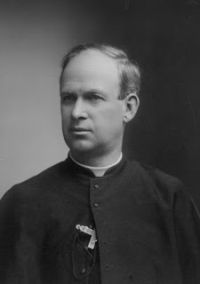
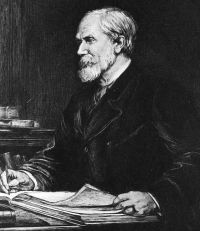
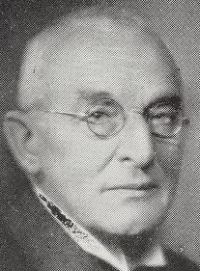
Portrait of Thomas Hungerford Holdich Thomas Hungerford Holdich,  1911 Encyclopædia Britannica (1911)

“ The length of the river is 700 m. to the Dihong junction, and about 1000 in Tibet and eastern Bhutan, above the Dihong. The Brahmaputra, therefore, exceeds the Ganges in length by about 400 m. The bed of the great river maintains a fairly constant position between its extreme banks, but the channels within that bed are so constantly shifting as to require close supervision on the part of the navigation authorities; so much detritus is carried down as to form a perpetually changing series of obstructions to steamer traffic. ”
Source: Wikisource

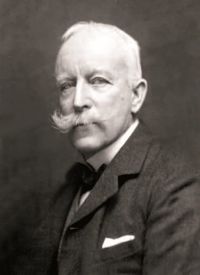
Sven Anders Hedin,  Trans-Himalaya: Discoveries and Adventurers in Tibet…

“ No geography had been able to tell us anything of the country round the source of the Brahmaputra. Only a small number of nomads repair thither yearly to spend a couple of short summer months. Here it is, here in the front of three glacier tongues, that the river so revered by the Hindu tribes begins its course of some 1800 miles through the grandest elevations of the world, from which its turbid volumes of water roll first 97 to the east, then southwards, cutting a wild valley through the Himalayas, and finally flowing south-westwards over the plains of Assam. ”
Source: Gutenberg

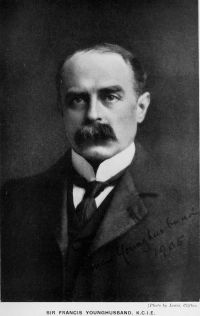
Portrait of Sir Francis Edward Younghusband Sir Francis Edward Younghusband,  The Heart of Nature; or, The Quest for Natural Beauty

“ The River Teesta itself, though only a minor contributor to the Brahmaputra, is nevertheless during the rainy season, when it is fed both by the falling rain and by the melting snows and glaciers of the Kinchinjunga region, impressive in its might and energy. With a force and tumult that nothing could withstand it comes swirling down the valley. ”
Source: Gutenberg

Get perspective with Kwize: daily news enlightened by great literature