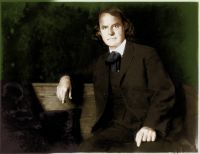
Branwell Brontë

Definition and stakes

John Malham-Dembleby,  The Key to the Brontë Works

“ Emily Brontë would have presented Branwell Brontë as viewed through couleur de rose, yet Charlotte Brontë immortalized him as Hindley Earnshaw and John Reed—as she saw him: weak, tyrannical, a moral wreck. So she presented M. Héger. She knew his faults—and they were many; but she loved him though she hated them. Her sense of truth and justice, albeit she had lost the rancour of the time of the reaction, determined her in Jane Eyre, it is obvious, to show the occultation of her life's happiness by the incidents of her Brussels life. ”
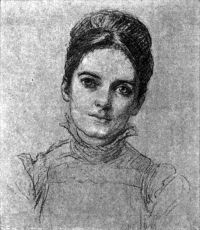
Source: Gutenberg

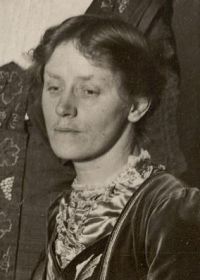
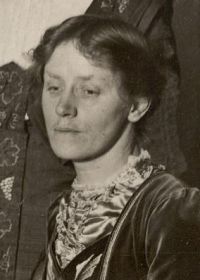
Portrait of A. Mary F. Robinson A. Mary F. Robinson,  Emily Brontë (1883)

“ Brontë was pronounced on a fair way to recovery, and he and Charlotte set out for Haworth. It was a happy home-coming, for things had prospered better than Charlotte had dared to hope during the latter weeks of her absence. Every day the old man grew stronger, and little by little his sight came back. He could see the glorious purple of the moors, Emily's moors, no less beloved in her sorrowing womanhood than in her happy hoyden time of youth. He could see his children's faces, and the miserable change in Branwell's features. ”
Source: Wikisource

Portrait of A. Mary F. Robinson A. Mary F. Robinson,  Emily Brontë

“ CHAPTER VIII. A RETROSPECT.
"Poor, brilliant, gay, moody, moping, wildly excitable, miserable Brontë! No history records your many struggles after the good—your wit, brilliance, attractiveness, eagerness for excitement—all the qualities which made you such 'good company' and dragged you down to an untimely grave."
Thus ejaculates Mr. Francis H. Grundy, remembering the boon-companion of his early years, the half-insane, pitiful creature that opium and brandy had made of clever Branwell at twenty-two.
”
Source: Gutenberg

Get perspective with Kwize: daily news enlightened by great literature