British rule in India

Definition and stakes

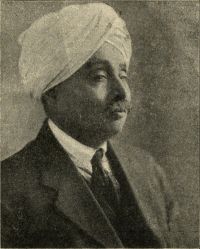
Portrait of Lala Lajpat Rai Lala Lajpat Rai,  Young India (1916)

“ If England were obliged, as was Imperial Rome in her day, to abandon India in the hour of some great danger, what could be more humiliating to England and to India alike, than for India to be left unarmed and untrained in the use of arms, as her civil population now is, a prey to internal anarchy and external aggression? What a commentary would it be, on 150 years of British rule in India, that England found the people strong though disunited and left them helpless and emasculated? ”
Source: Wikisource

Portrait of Lala Lajpat Rai Lala Lajpat Rai,  Young India

“ British statesmen, politicians, publicists and journalists all talk of the blessings of British rule in India, of what the British have done there in establishing peace and order, in making railways and canals, in imparting education, in stimulating trade, in administering impartial justice, in fostering industries,{86} in organising the postal and the telegraph systems, and in opening the country to the world. They cannot see why the Indian should wish to get rid of the British. ”
Source: Gutenberg

Portrait of Lala Lajpat Rai Lala Lajpat Rai,  Young India (1916)

“ The interests of the British Empire were primary and those of India only secondary, and no one can say that the Congress has not been true to that ideal. It might be said with justice and reason that the founders of the Indian National Congress considered the maintenance of British rule in India of vital importance to India herself, and therefore were anxious to do everything in their power, not only to save that rule from any danger that threatened it, but even to strengthen it ”
Source: Wikisource

Get perspective with Kwize: daily news enlightened by great literature