Brythonic

Definition and stakes

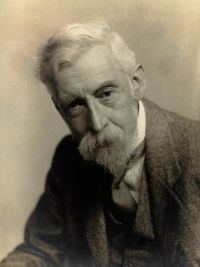
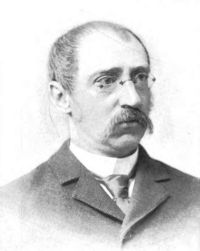
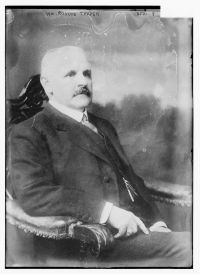
Portrait of W. Y. Evans-Wentz W. Y. Evans-Wentz,  The Fairy-Faith in Celtic Countries

“ When we stop to consider how long it may have taken the Brythonic Fairy-Faith, as well as that of the Gaels, to become so widespread and popular among the Celtic peoples that it could take such definite shape as it now shows in all the oldest manuscripts in different languages, we can easily wander backward into periods of enlightenment and civilization beyond the horizon of our little fragments of recorded history. Who can tell how many ages ago the Fairy-Faith began its first evolution, or who can say that there was ever a Celt who did not believe in, or know about fairies? ”
Source: Gutenberg

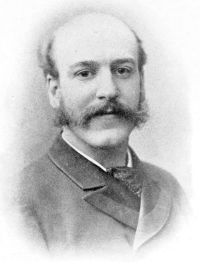
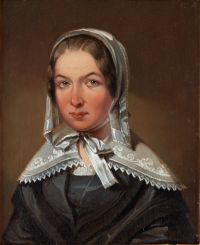
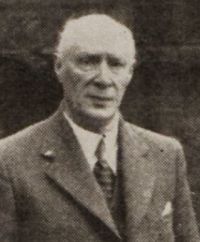
Portrait of Lewis Spence Lewis Spence,  Legends & Romances of Brittany

“ The Brezonek, the Brythonic tongue of Brittany, is undoubtedly the language of those Celtic immigrants who fled from Britain the Greater to Britain the Less to escape the rule of the Saxon invaders, and who gave the name of the country which they had left to that Armorica in which they settled. In the earliest stages of development it is difficult to distinguish Breton from Welsh. From the ninth to the eleventh centuries the Breton language is described as ‘Old Breton.’ ‘Middle Breton’ flourished from the eleventh to the seventeenth centuries, since when ‘Modern Breton’ has been in use. ”
Source: Gutenberg

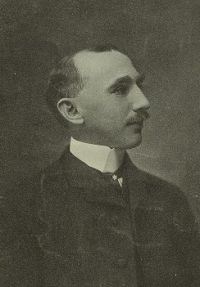
Charles Roeder,  Roman Manchester (1900)

“ We know that they belonged to the Brythonic branch of the Celts; at Ribchester we have their gods Maponus (Apollo) and Cocidius (Mars) . We have the many rivers ending in "der" (=dwr, water) , such as Docker, Conder, Coker, Calder, Hodder, the Wyre, and Don, Tand, Dardow, Darwen, Alt, Lune, Douglas. [52] The Segantii probably obtained their name from their habitats; they were a riparian set of people. ”
Source: Wikisource

Get perspective with Kwize: daily news enlightened by great literature